
In 2021, my heart started to malfunction.
(I would like to briefly preface this article to say that I’m currently fine. This is a slight trauma dump, but I promise it’s to do with horror).
Palpitations, spasming, burning. Chest pain that sent me to the hospital on multiple occasions. My whole life I’ve been monitored for my chronic heart issues. But this was the first time it felt real.
While medical intervention helped my body get better, I used horror as a distraction. Most of my life, horror has been there: from my childhood fixation with Alien (1979), the excitement of every approaching Halloween, and how it wasn’t even a question of what I wanted to study. My sister and I even have a mantra: no matter how bad today was, at least I’m not part of the Human Centipede.
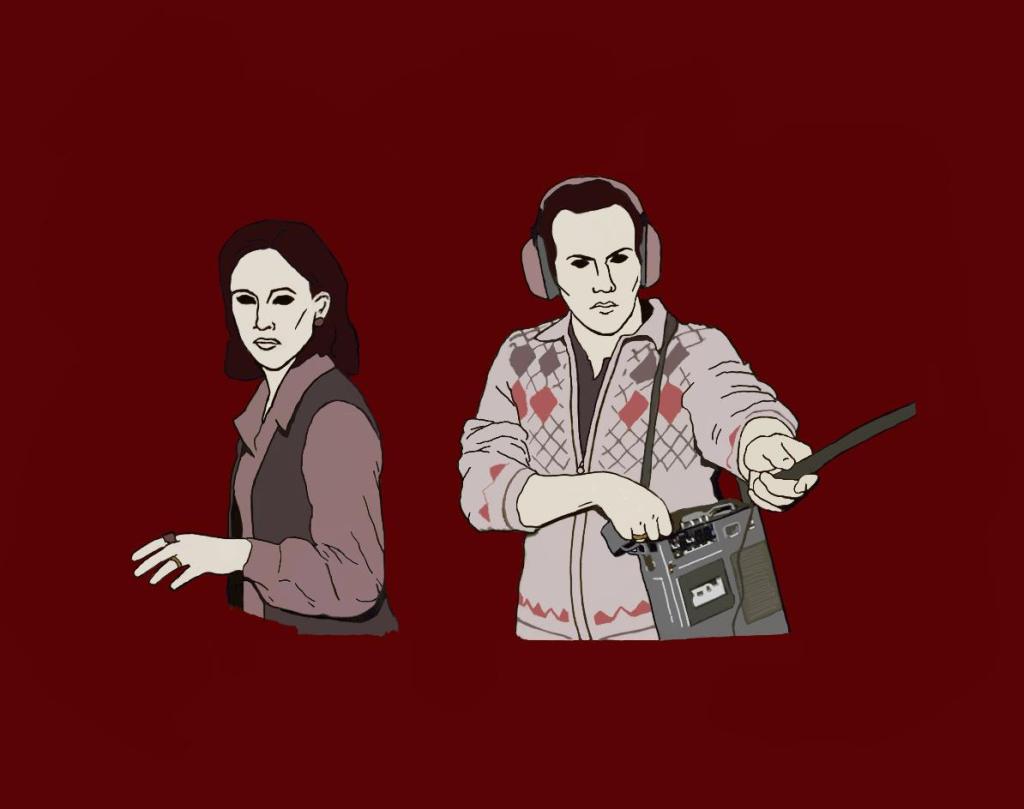
It’s not until you have a very present cardiac issue that you realise every horror story centres the heart. Pounding, thumping, sick, hurt, beating, bloody. I put down Gerald’s Game after the husband died. At the movies during The Conjuring: The Devil Made Me Do It, I had to watch Ed Warren go through multiple heart attacks. But it’s okay though, because Lorraine gives him this magic pill that makes him all better. Must be nice.
Horror and the heart. It seems an obvious connection, doesn’t it? Palpitations are a physiological reaction of anxiety and fear. Horror narratives, after all, are designed to evoke physical sensations. Even sound design in film uses the heartbeat to trigger the viewer’s autonomic nervous system, making for a scarier experience.
Even as I started to try and avoid traditional horror during this era of my life, this effort did not always distract from my situation. While in the emergency room reading Eclipse, Edward Cullen provided me with a quote which I think I’ll attach to my organ donor card: “Look after my heart, I’ve left it with you”. I couldn’t even escape the metaphors, apparently.
When you’re used to analysing horror academically, I think many of us become desensitised to the corporeal element of the experience. Those times made me realise how much horror relies on our natural physical responses. Arguably, the loss of control over bodily reactions are the beginnings of our own body horror. I know this because I have lived it.
So, I decided to be mindful. I aimed to fill my time with gentle horror. Young adult, the tamer side of Gothic. Frankenstein, The Secret History, Twilight, and a particularly terrible novel called There’s Someone Inside Your House. I already know what people are thinking. Oh my God, just read another genre. To that, I would’ve probably replied No thanks, I’d rather die! Maybe that’s in poor taste, but it’s my illness, so I get to make the jokes.
Horror is crafted to stimulate the brain, the heart, the lungs. It’s a whole body experience. In that moment, you become part of the story – you share the dread of the victim searching through the dark, or the Final Girl waiting for the killer jump scare. But unlike the protagonist, the horror consumer gets to experience a wave of relief after the bad thing happens.
In a way, I think this is how some people view the chronically ill body when it’s not their own. With the same hindsight of the horror story, they look from afar and think: I would’ve been smarter, if it were me. And then – thank god it’s not me.
I got mostly better during 2022. Yay! This will be my forever, and I still have my declines every now and again, but for the meantime I’m back to cherishing whatever heart-pounding horror I can get my hands on.
Oh well. At least I’m not part of the human centipede.
Image: ‘Ghismonda with the heart of Guiscardo’ (detail) – Bernardino Mei (1655)

 Charlotte Elliott
Leave a comment